
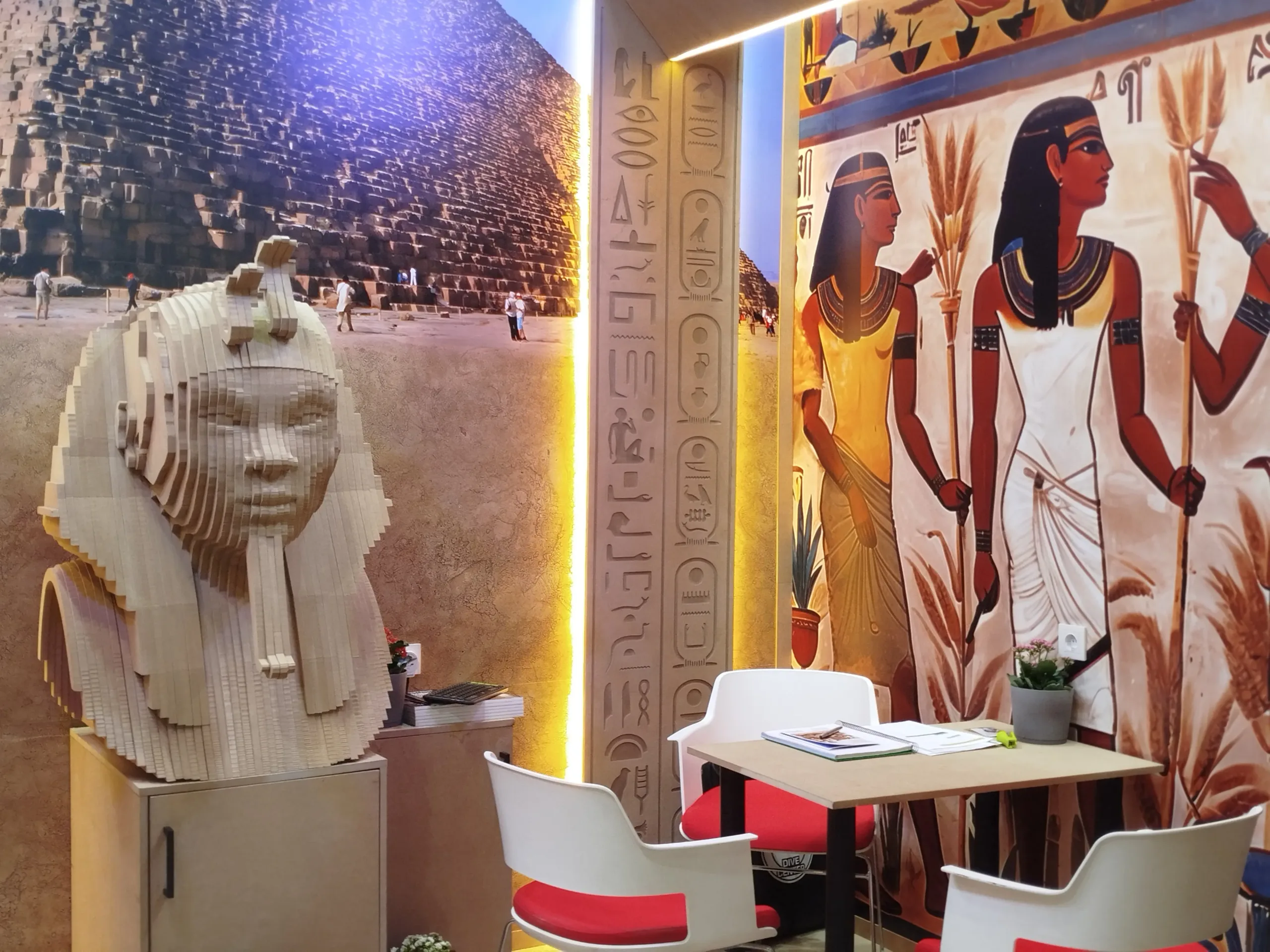
Bringing Spaces to Life Through Craftsmanship, Creativity and Design
FITUR 2027 represents an exceptional opportunity to showcase creativity, craftsmanship and innovative design within the international tourism industry. As one of the leading global tourism trade fairs, it brings together destinations, hospitality brands, travel companies and professionals who understand the importance of creating memorable experiences. In this dynamic environment, Maite, an artisan and set decorator specialising in bespoke decorative projects, offers a distinctive approach to transforming spaces into inspiring environments that communicate a story, express an identity and leave a lasting impression.
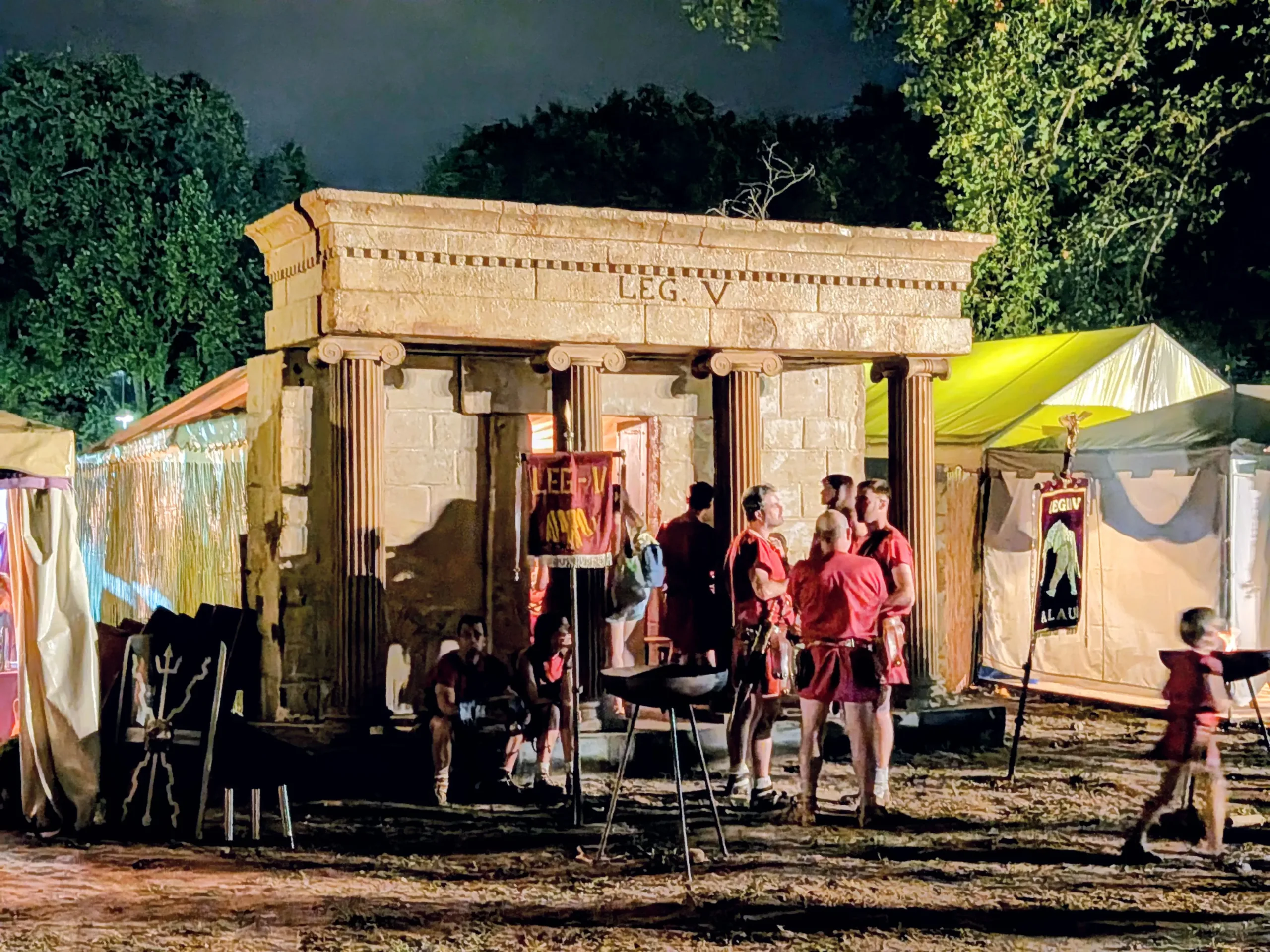
From exhibition stands and commercial spaces to stage sets and carefully designed home interiors, Maite combines artistic sensitivity, practical expertise and a passion for handmade details. Her work goes beyond decoration: it is about understanding the personality of each space and translating it into a visual experience that connects with people.
One Professional, Every Detail Covered
For companies and destinations preparing to participate in FITUR 2027, Maite offers a distinctive and highly versatile service that goes far beyond traditional stand decoration. As an experienced artisan, set decorator and tourism professional, she can take responsibility for the complete operation of an exhibition stand, managing everything from the initial decorative concept and the organisation of the space to its daily maintenance, visitor attention and the creation of opportunities to attract potential clients. Her ability to combine different professional skills in a single person provides an especially valuable solution for businesses looking for a personalised, efficient and creative presence at one of the tourism industry’s most important international events. Rather than coordinating several different professionals for decoration, upkeep, hospitality and visitor engagement, companies can work with someone who understands how all these elements fit together and how they contribute to the success of an exhibition. Maite’s approach is based on versatility, initiative and a practical understanding of what it takes to make a stand work, ensuring that the space is not only visually attractive but also welcoming, organised and focused on generating business opportunities.
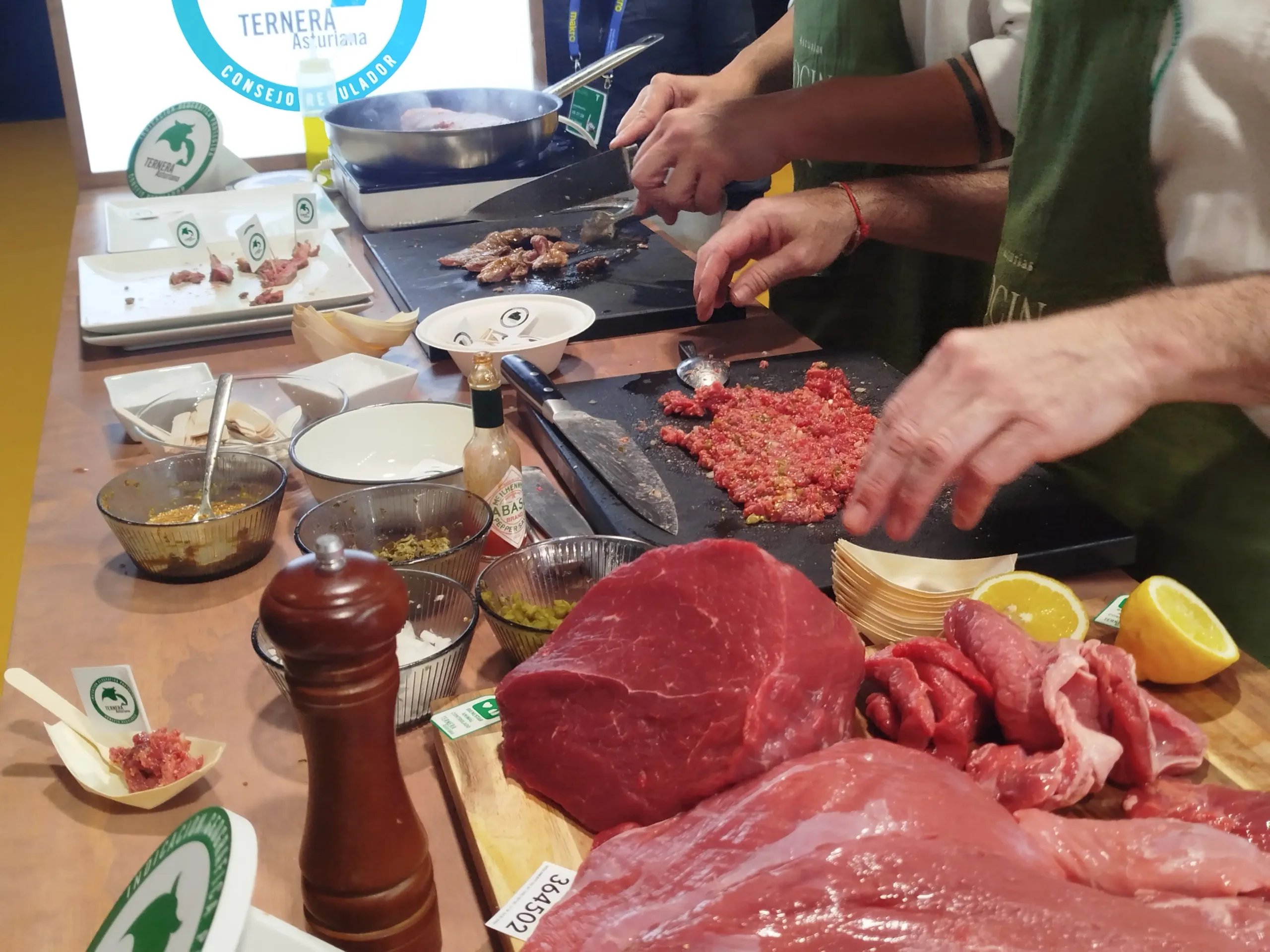
From Stand Decoration to Complete Daily Management
A successful exhibition stand requires constant attention, and its effectiveness depends on much more than its appearance on the opening day. It must remain clean, organised, attractive and ready to welcome visitors throughout the event, while the people responsible for it need to respond to changing circumstances and make sure that every detail is properly managed. Maite can take care of the decorative elements, arrange the objects and materials that give the stand its identity, maintain the overall presentation and help ensure that the space remains in excellent condition throughout the exhibition. Her background in set decoration gives her an understanding of visual composition, the importance of every object and the way small details influence the perception of an environment. At the same time, her practical and adaptable approach allows her to contribute to the everyday operation of the stand, helping maintain an atmosphere that reflects the professionalism of the company or destination being represented. For businesses attending FITUR 2027, this combination of creative and operational skills can simplify the organisation of their participation, reduce the need to coordinate multiple separate services and allow them to focus more effectively on their commercial objectives.
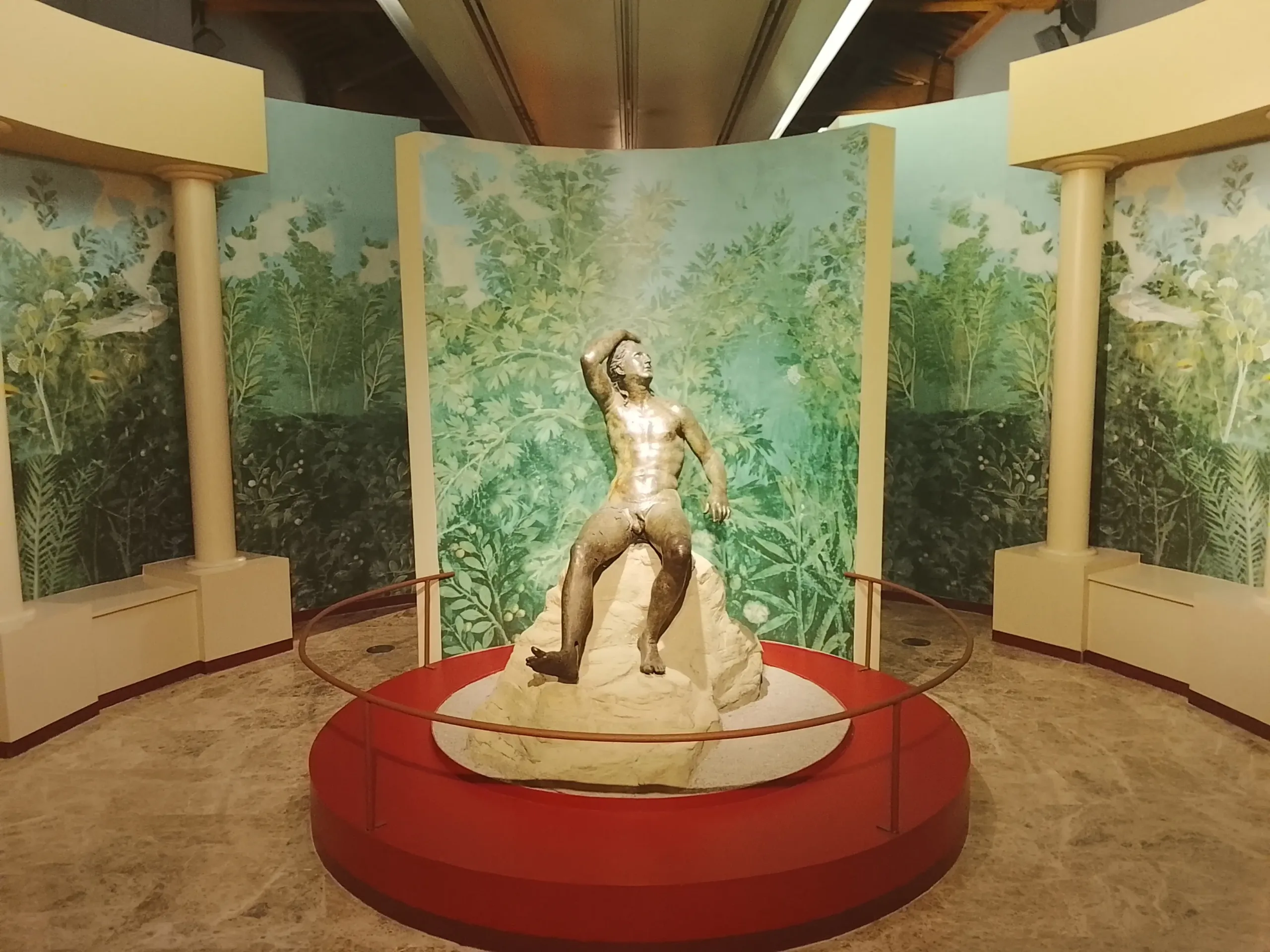
Hospitality, Catering and Personalised Visitor Attention
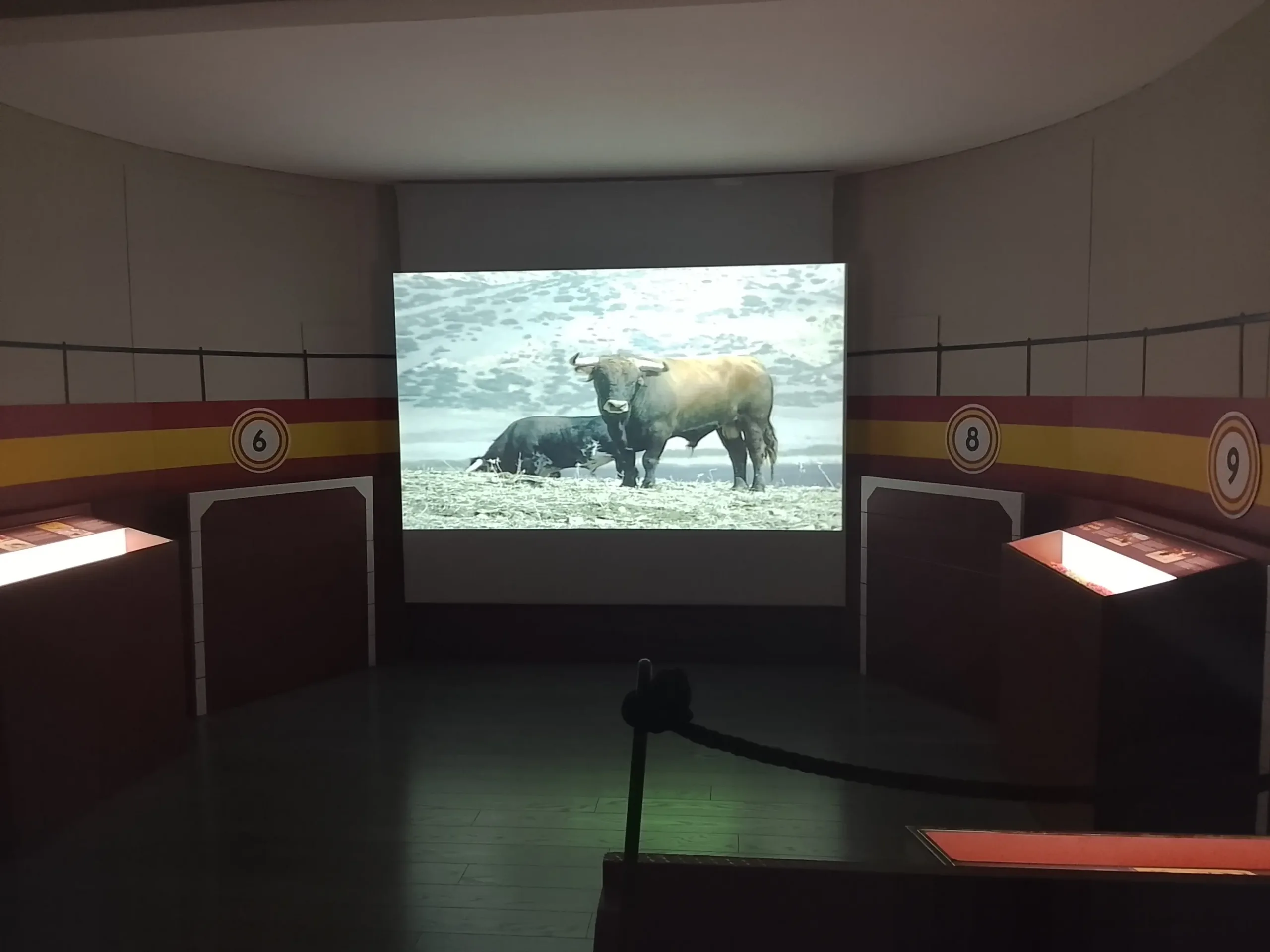
The experience offered at a tourism exhibition is not limited to brochures, presentations and promotional displays. Hospitality plays an important role in establishing relationships, encouraging visitors to stay longer and creating a welcoming environment in which conversations can develop naturally. Maite can also contribute to the catering and hospitality needs of a stand by preparing or organising the food required for the occasion, according to the agreed arrangements, available facilities and applicable food-safety requirements. Whether the objective is to offer a simple welcome, provide refreshments during professional meetings or create a more personalised hospitality experience inspired by a destination’s culinary traditions, food can become another way of communicating a brand’s identity. In the tourism industry, gastronomy is particularly powerful because it connects visitors with the culture, heritage and character of a place. A carefully considered hospitality offering can therefore complement the visual design of the stand and help create a more memorable encounter. By bringing together decoration, practical organisation and visitor hospitality, Maite can help companies develop a coherent experience in which the atmosphere, the presentation and the personal attention received by visitors all contribute to the same objective: making people feel welcome and giving them a reason to remember the destination or business.
Attracting Potential Clients and Creating Tourism Opportunities
Maite’s contribution also extends to the commercial and promotional side of exhibition participation. A beautifully decorated stand is valuable, but its real potential emerges when it attracts the right people and encourages meaningful conversations. With her experience in the tourism sector, Maite understands the importance of presenting a destination or tourism-related business in an appealing way, identifying opportunities to engage visitors and helping turn initial interest into potential professional contacts. Her role can include welcoming visitors, introducing the destination or service being promoted, distributing relevant information, encouraging conversations and helping identify prospective clients, partners or collaborators. This ability to combine a strong visual presentation with a proactive approach to visitor engagement can be particularly useful at FITUR 2027, where destinations, accommodation providers, tourism operators, travel companies and other industry professionals compete for attention and seek to establish valuable business relationships. The aim is not simply to attract people to the stand, but to make their visit worthwhile and create the conditions for future contact. By understanding both the promotional message and the experience being offered, Maite can help ensure that the stand functions as a genuine point of connection between a brand and the people who may contribute to its future growth.
Extensive Experience in Tourism and Spanish Television
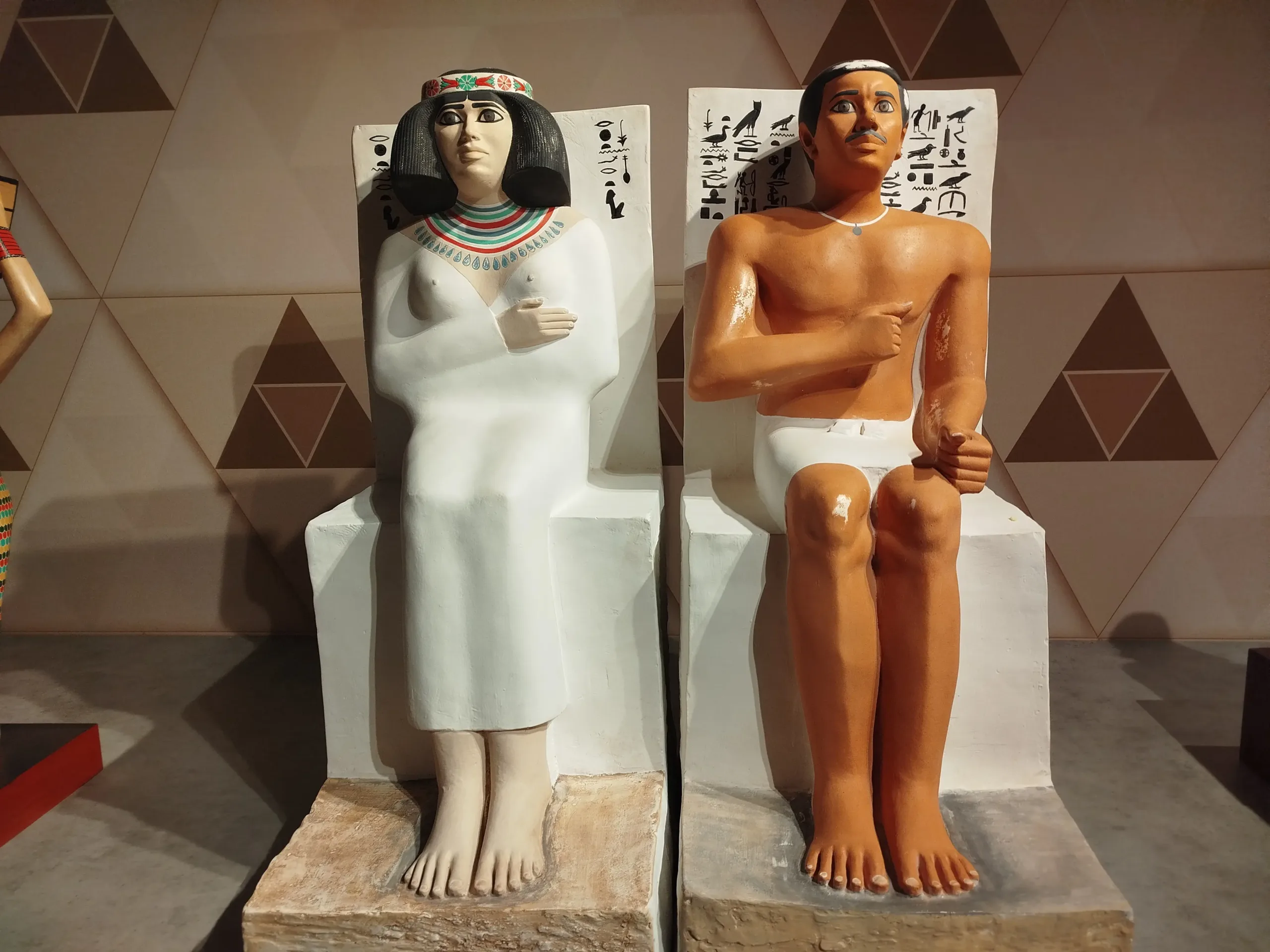
One of Maite’s most distinctive strengths is the combination of her experience in tourism with her professional background in television and set decoration. Working in these different environments requires creativity, adaptability, attention to detail and the ability to understand how people interact with a carefully constructed space. Her experience in the world of Spanish television includes participation in the set decoration and props work associated with some of the country’s best-known programmes and series, including Gran Hermano and Aquí no hay quien viva. These productions illustrate the importance of creating environments that feel convincing, distinctive and appropriate to their purpose, whether they are designed to support the atmosphere of a reality television programme or to establish the identity of a fictional setting. Television set decoration involves much more than placing furniture and decorative objects in a room. Every element must contribute to the overall visual concept, work within the available space and help create an environment that audiences can recognise and remember. This professional background provides a valuable perspective for exhibition design, where the challenge is similarly to create a distinctive setting that communicates a message and captures people’s attention. Maite can draw on this understanding of visual storytelling to help tourism businesses present themselves through environments that feel carefully considered rather than generic.
From Television Sets to International Tourism Exhibitions
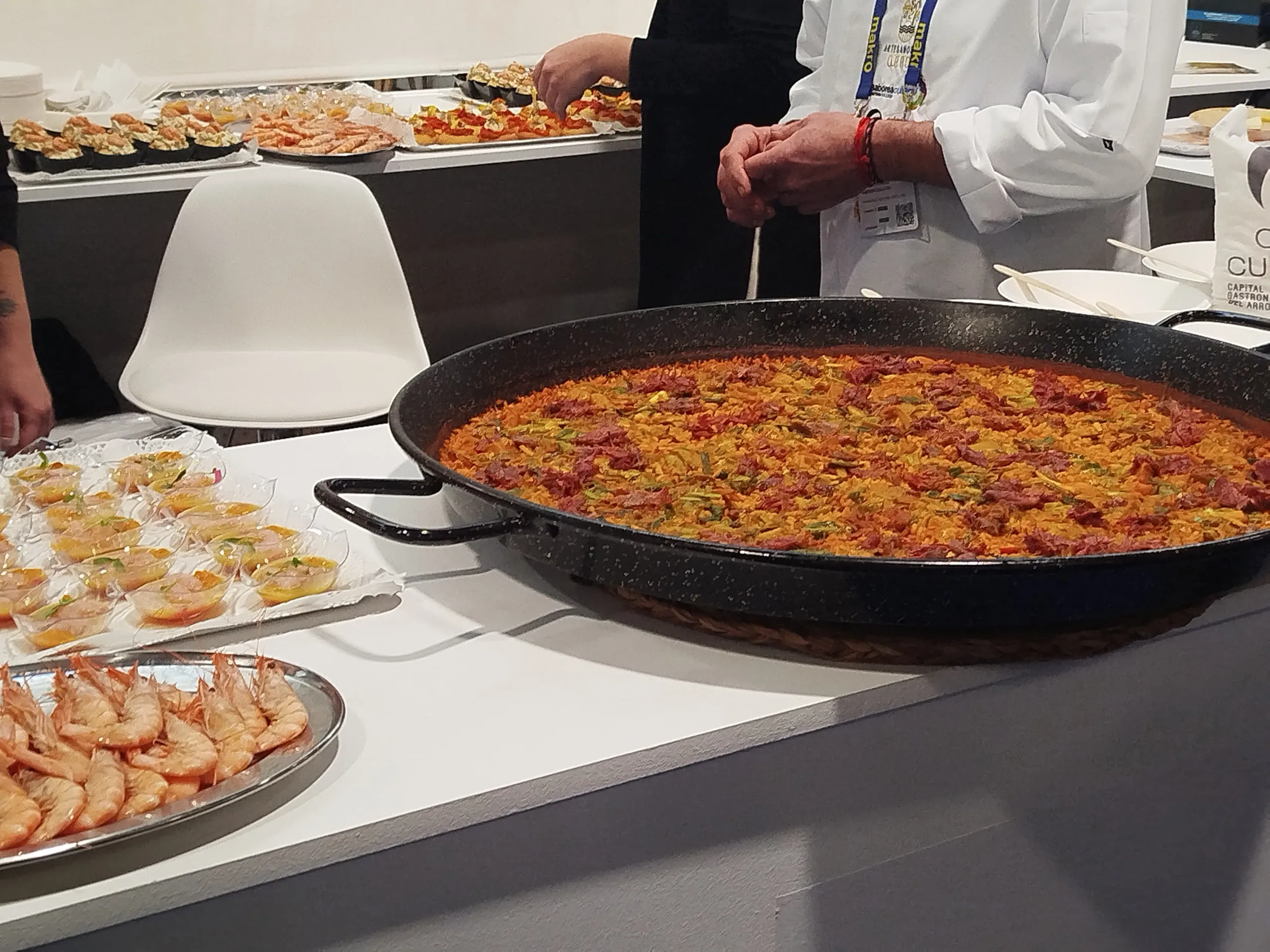
The connection between television set decoration and exhibition design is stronger than it might initially appear. Both disciplines require a clear understanding of the space, the intended audience and the impression that the environment should create. In television, a set must communicate character, atmosphere and context, often through a carefully selected combination of colours, textures, furniture and props. At a tourism exhibition, those same visual principles can help communicate the personality of a destination, the values of a hospitality brand or the identity of a tourism company. Maite’s experience in the television industry gives her a practical appreciation of how decorative details can transform an ordinary space into an environment with a clear identity. Applied to FITUR 2027, this perspective can help exhibitors move beyond conventional stand layouts and explore more engaging ways of presenting their destinations and services. A stand can become a welcoming representation of a region, a visual introduction to a hotel’s atmosphere or an environment that evokes the cultural and natural attractions of a destination. The objective is to create a coherent experience in which the decoration supports the commercial message and helps visitors form a positive impression that continues after they leave the exhibition.
An Independent, Resourceful and Versatile Professional
For companies that need a reliable person capable of handling several responsibilities, Maite’s versatility can be a significant advantage. Her work can bring together the creative, practical and interpersonal aspects of exhibition participation, from preparing the decorative environment to maintaining it during the event and contributing to visitor engagement. This broad skill set can help simplify coordination, particularly for businesses that do not have a large team available to manage their presence at an international trade fair. Instead of treating decoration, maintenance, hospitality and promotion as completely separate activities, Maite can approach them as interconnected parts of the same project. Her ability to adapt to different settings is supported by experience across distinct professional environments, each with its own demands and working methods. The result is a flexible service that can be tailored to the needs of the client, the dimensions of the stand, the type of visitors expected and the objectives established for the exhibition. The precise scope of responsibilities can be agreed in advance, including the technical requirements of the stand, catering arrangements and the commercial activities expected during the event. This allows companies to benefit from a personalised service while maintaining clear expectations about what will be delivered.
A Complete and Memorable Presence at FITUR 2027
FITUR 2027 is an opportunity for tourism professionals to strengthen their visibility, build relationships and present their destinations and services to an international audience. Making the most of that opportunity requires a well-organised stand, an attractive visual identity and a welcoming atmosphere that encourages visitors to engage. Maite brings together an unusual combination of skills that can help address these needs through a single, coordinated approach. Her expertise in artisanal decoration and television props contributes to the visual identity of the space, her practical involvement can support its daily organisation and maintenance, and her tourism experience can help create meaningful interactions with potential clients and industry contacts. She can also contribute to the hospitality experience by preparing or organising suitable catering arrangements as agreed with the client. This combination makes her a versatile professional for businesses seeking more than a conventional decoration service. For exhibitors who want their stand to look professional, operate smoothly and create opportunities for new relationships, Maite offers a creative and practical approach centred on personal attention, adaptability and an understanding of how people experience a space.
Maite: Creativity, Tourism and Professional Experience in One Service
Choosing Maite for an exhibition project means considering a professional whose experience crosses the boundaries between craftsmanship, television set decoration, hospitality and tourism. Her involvement in productions such as Gran Hermano and Aquí no hay quien viva reflects her connection with the world of Spanish television, while her tourism background brings an additional understanding of the importance of communication, visitor experience and commercial relationships. These different areas of expertise can come together to support a stand that is visually distinctive, carefully maintained and designed to welcome people effectively. For FITUR 2027, Maite can help companies create a presence that combines decoration, organisation, hospitality and visitor engagement within a personalised service adapted to their needs. Rather than focusing exclusively on how a stand looks, she understands the importance of how it works, how people feel when they enter it and how the experience can contribute to the objectives of the business. In an environment where first impressions matter and every conversation can open the door to a new opportunity, having a versatile professional capable of bringing these elements together can make a meaningful difference. Maite’s approach is ultimately about transforming exhibition spaces into welcoming, memorable and commercially purposeful environments that help tourism brands present their identity with creativity and confidence.
As businesses prepare for FITUR 2027, the value of creative and personalised environments becomes increasingly clear. In a competitive exhibition setting, a stand must do more than display information. It should attract attention, communicate a brand’s values and encourage visitors to stop, explore and engage. This is where Maite’s artisanal approach can make a meaningful difference.

FITUR 2027: Where Tourism, Design and Experiences Meet
The tourism industry is constantly evolving, and the way destinations and companies present themselves plays a fundamental role in how they are perceived. FITUR provides a meeting point for tourism boards, hotels, travel agencies, hospitality businesses, cultural organisations and destination marketing professionals seeking new opportunities for collaboration and growth.
At a major international event, visual presentation is an essential part of communication. Exhibition stands compete for attention, and visitors often make their first impressions within seconds. A thoughtfully designed environment can help a brand stand out while making its message more accessible and memorable.
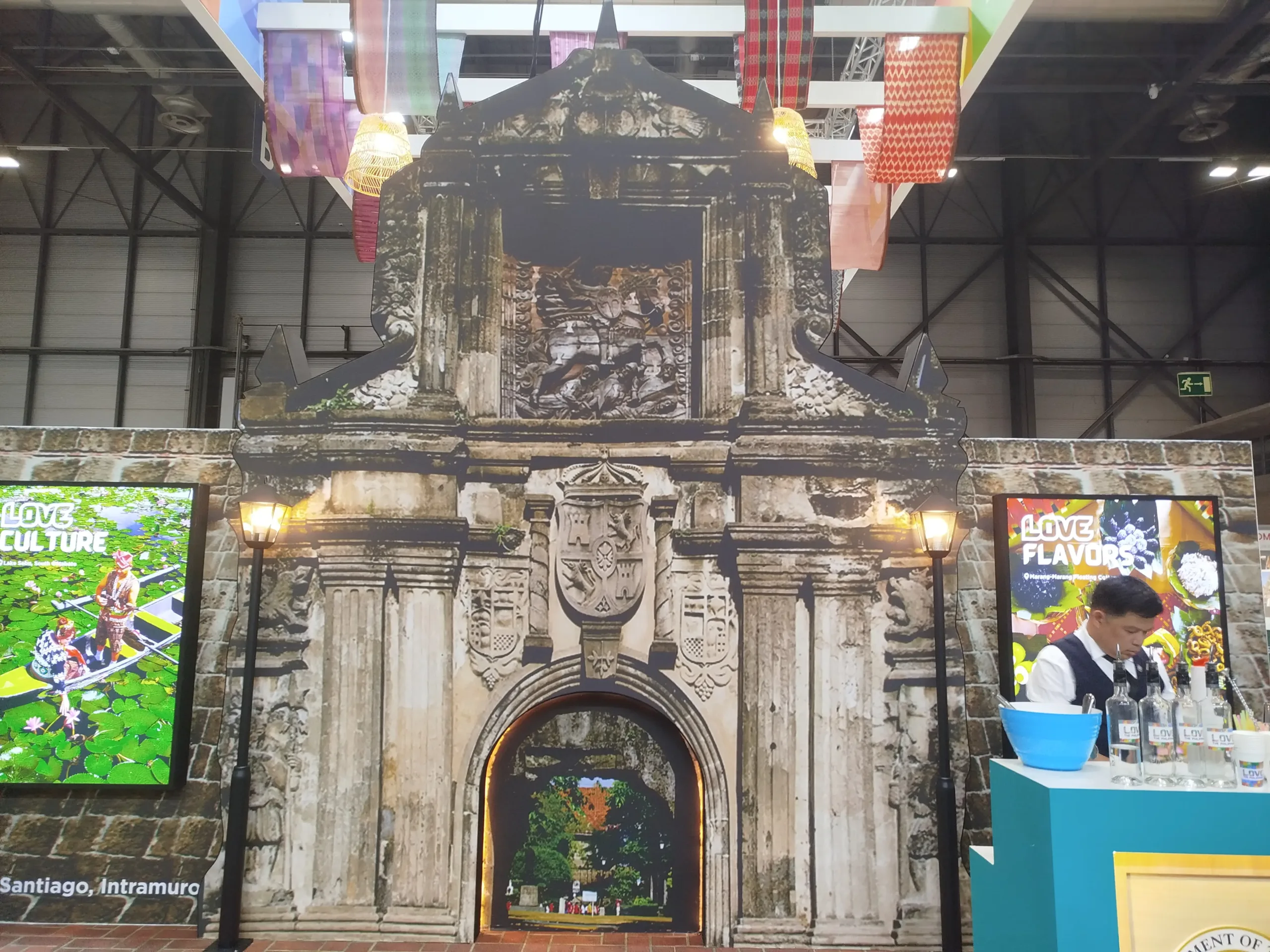
Maite approaches decorative projects with this principle in mind. Rather than relying exclusively on standard exhibition furniture or generic visual elements, she explores how materials, textures, colours, lighting and handcrafted objects can contribute to a distinctive atmosphere.
For a destination promoting its cultural heritage, for example, decorative elements inspired by local architecture, traditional crafts or natural landscapes can help visitors understand its identity before they have even spoken to a representative. For a hotel group, carefully selected materials and welcoming details can communicate comfort, quality and attention to detail. For a travel company, a creative installation can suggest adventure, discovery and the excitement of exploring new places.
The result is a more engaging presentation in which decoration becomes an integral part of the brand’s message.
Maite: An Artisan with a Creative Vision
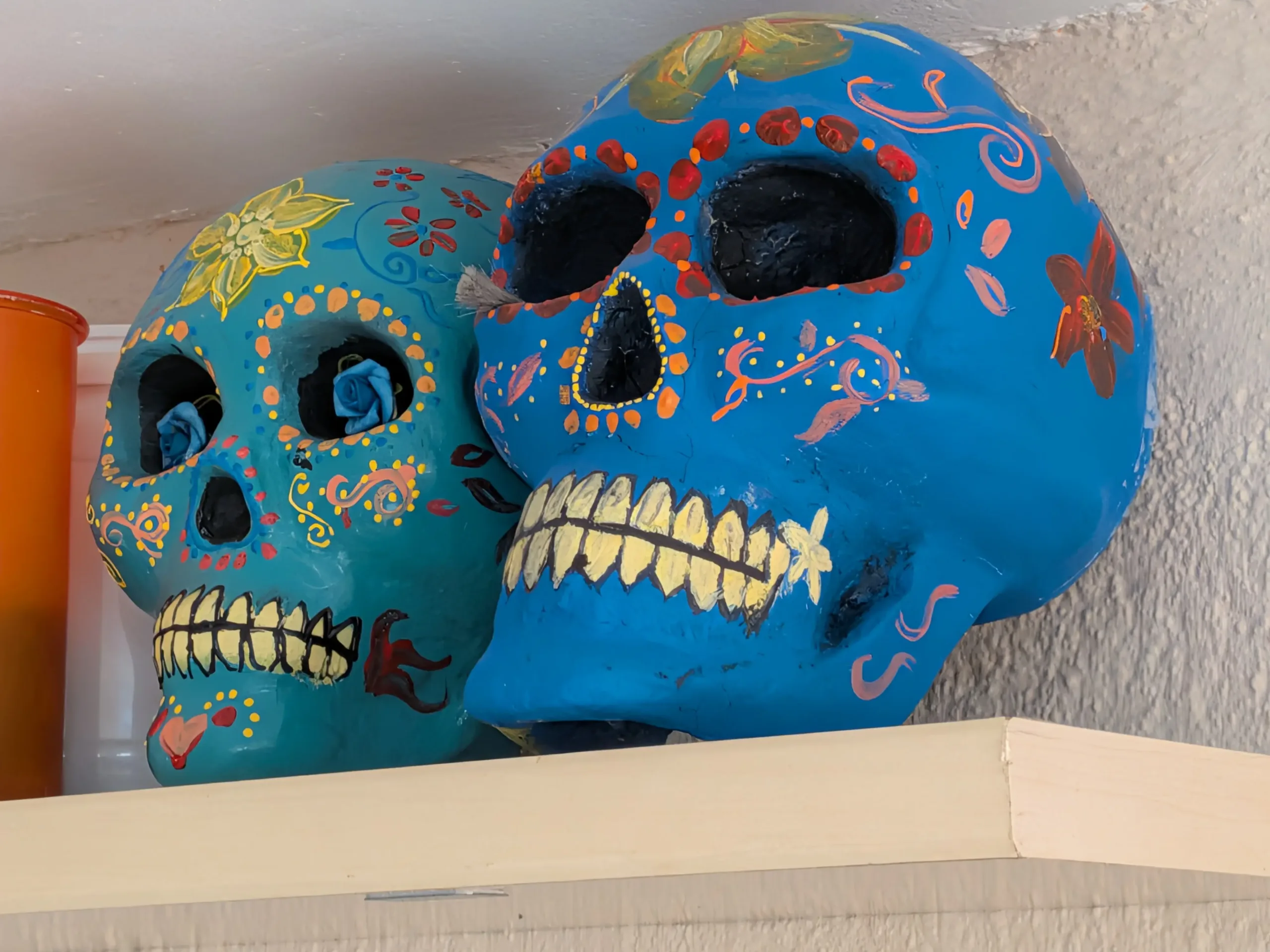
Maite’s work is rooted in the relationship between craftsmanship and visual storytelling. As an artisan and set decorator, she understands that successful decoration requires more than choosing attractive objects. It involves considering the dimensions of a space, its intended use, the people who will experience it and the emotions it should evoke.
Her specialisation covers a broad range of environments, including stage sets, residential interiors, exhibition stands and business premises. Although these spaces serve different purposes, they share a common requirement: every decorative decision should contribute to a coherent overall vision.
In a home, the objective may be to create warmth, comfort and a sense of personal identity. In a commercial establishment, the focus may be on expressing a brand’s personality and creating a welcoming atmosphere. In a stage environment, decorative elements help establish a setting and support the narrative of a performance. At an international trade fair such as FITUR, the challenge is to communicate a destination or company’s identity within a limited space and a highly competitive environment.
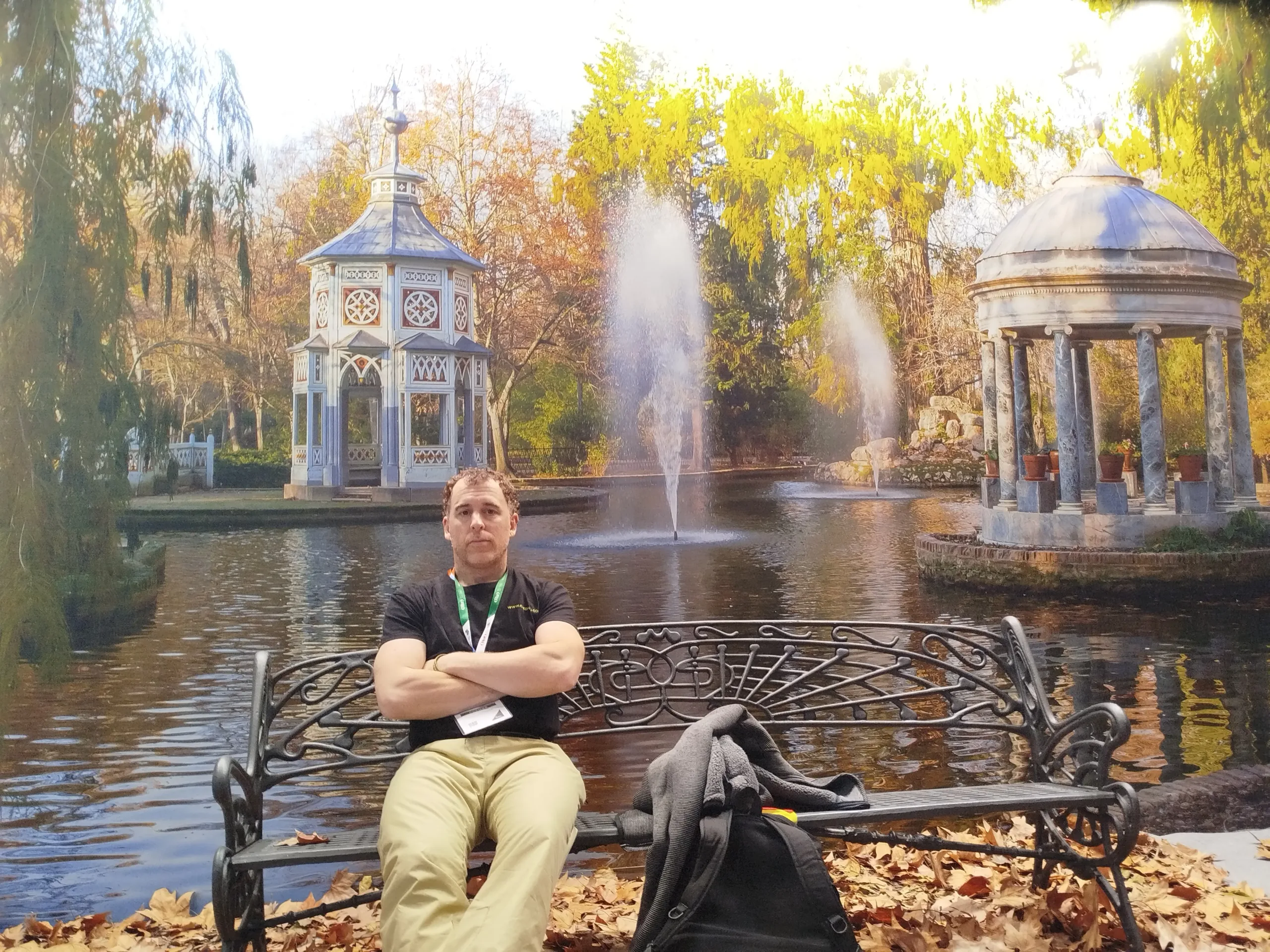
Maite brings these different disciplines together through a personalised approach that values creativity, material quality and the importance of detail.
Her artisanal perspective is particularly relevant at a time when brands increasingly seek to differentiate themselves through authentic experiences. In a world filled with standardised displays and digital imagery, handcrafted decorative elements can introduce texture, individuality and a more tangible connection with the audience.
Bespoke Exhibition Stands That Tell a Story
An exhibition stand is much more than a physical structure. It is a temporary representation of a brand, a destination or a business, and every element contributes to the impression it creates.
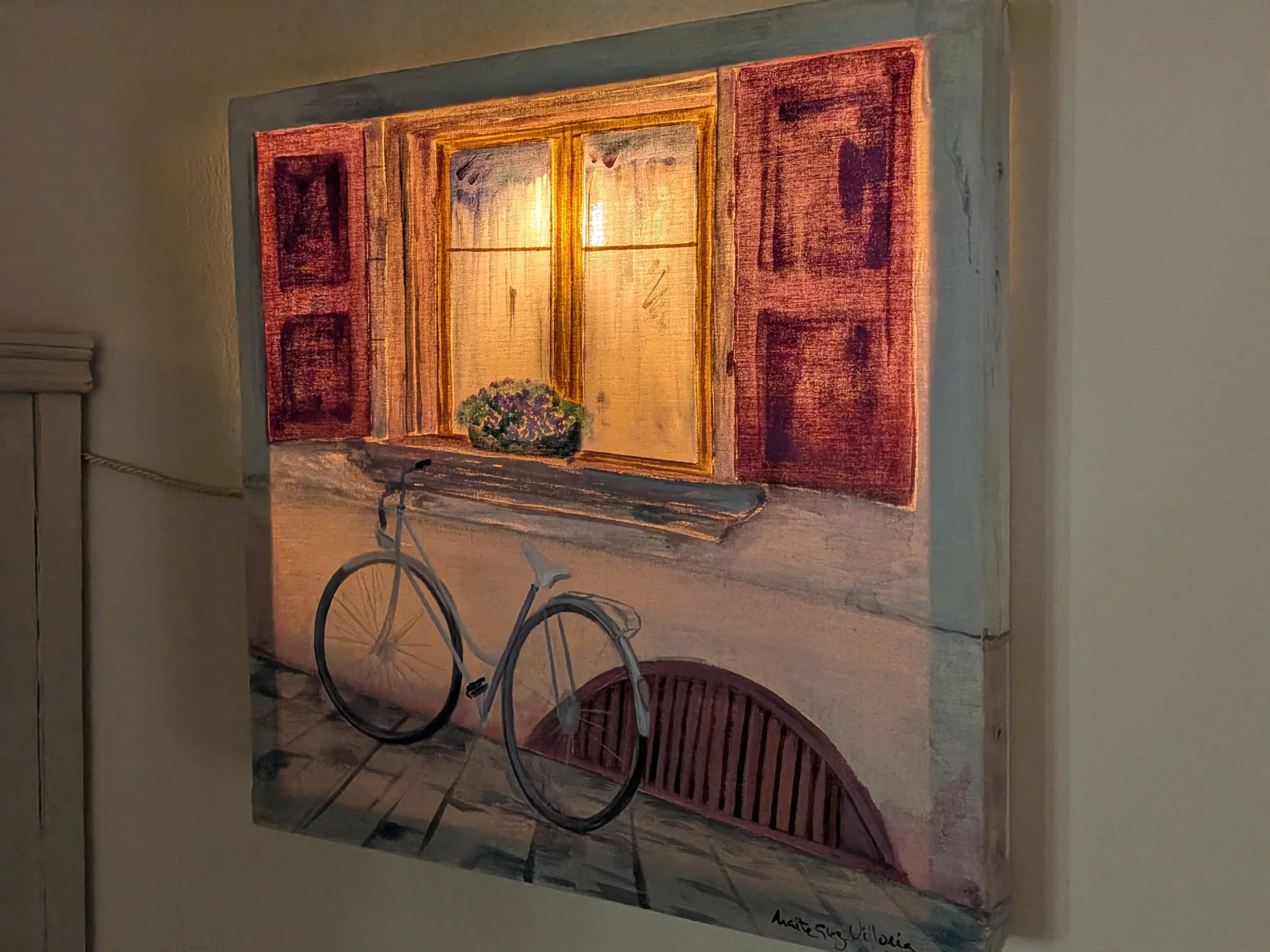
For FITUR 2027 exhibitors, bespoke decoration can help transform a conventional stand into an environment with its own personality. Maite’s work can contribute to this process by developing decorative concepts that complement the client’s objectives, visual identity and available space.
A destination wishing to promote its landscapes might benefit from natural textures, organic forms and decorative pieces inspired by its surroundings. A cultural organisation could incorporate artistic references, traditional materials or carefully selected objects that evoke local history. A hospitality brand might favour a sophisticated combination of warm lighting, tactile surfaces and elegant decorative accents.
The key is to create a recognisable visual language rather than simply filling the stand with objects.
Artisanal decoration also makes it possible to introduce details that would be difficult to achieve through mass-produced solutions. Bespoke pieces can be designed to fit particular dimensions, reinforce a theme or establish a focal point that attracts visitors from across the exhibition hall.
These elements can be especially valuable in photographs and social media content. A visually distinctive stand provides visitors with a reason to take pictures, share their experiences and remember the brand after the event has ended.
For Maite, the objective is to help clients develop spaces that are not only visually appealing but also meaningful, functional and aligned with the message they want to communicate.
Stage Decoration and the Power of Atmosphere
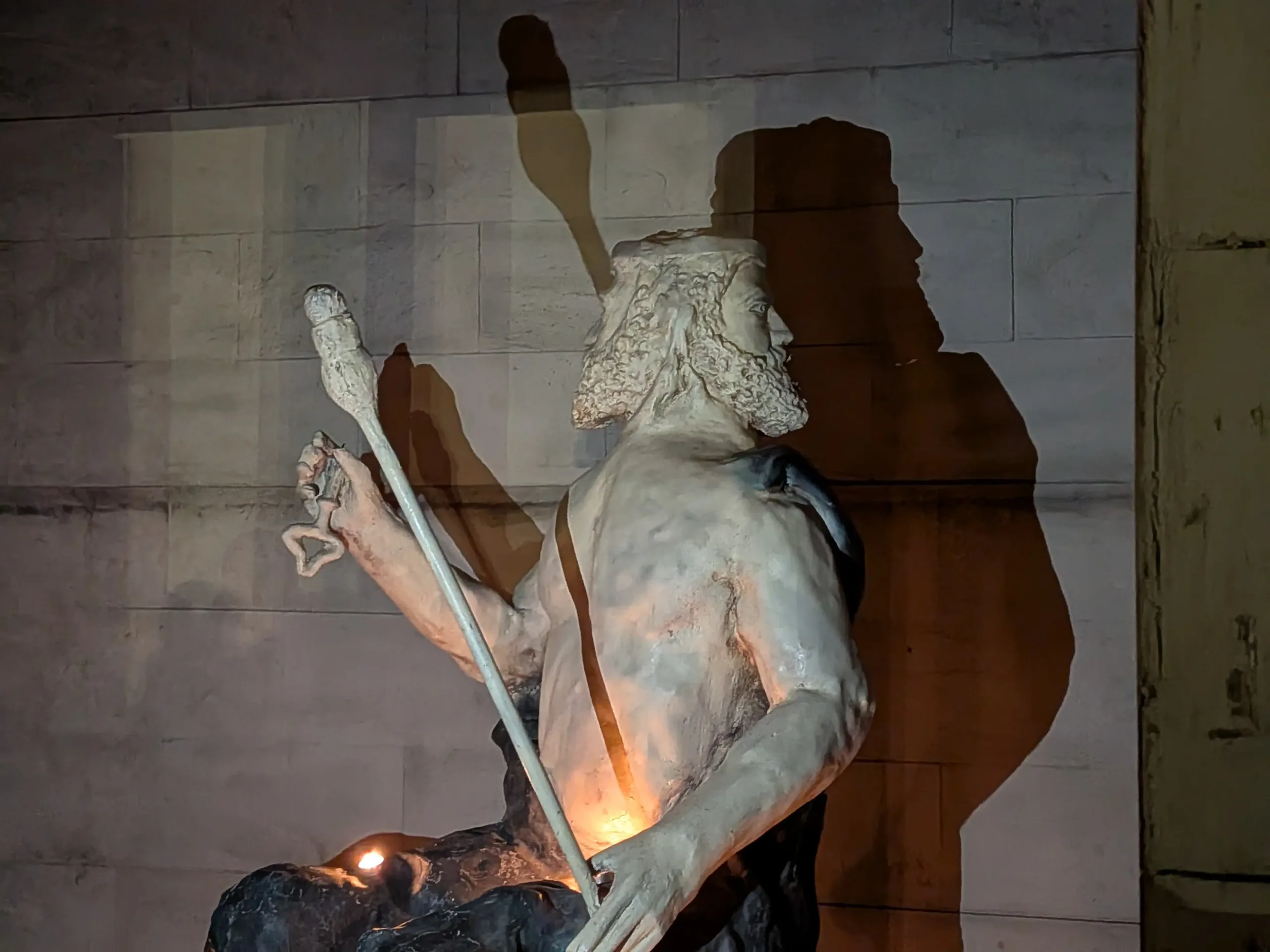
Maite’s experience in stage decoration offers another dimension to her creative work. Stage environments require a careful balance between artistic expression and practical considerations. Decorative elements must contribute to the atmosphere while respecting the dimensions of the venue, the requirements of the production and the movement of performers or participants.
This understanding of space and composition can also inform exhibition design. Just as a stage set establishes the visual language of a performance, a trade fair stand can establish the atmosphere of a brand experience.
For FITUR 2027, this approach could be particularly effective for tourism destinations and organisations looking to present cultural performances, regional traditions, gastronomic heritage or artistic initiatives.
A carefully arranged backdrop, a distinctive decorative structure or a collection of handcrafted objects can help create an environment that feels immersive rather than purely promotional. Visitors are invited to experience an idea rather than simply read about it.
The same principles apply to product launches, corporate presentations, hospitality events and promotional activities. When decoration is conceived as part of the experience, it becomes a tool for communication and emotional connection.
From Exhibition Halls to Homes and Commercial Spaces
Although FITUR 2027 provides an important context for exploring Maite’s creative potential, her work extends well beyond the exhibition industry.
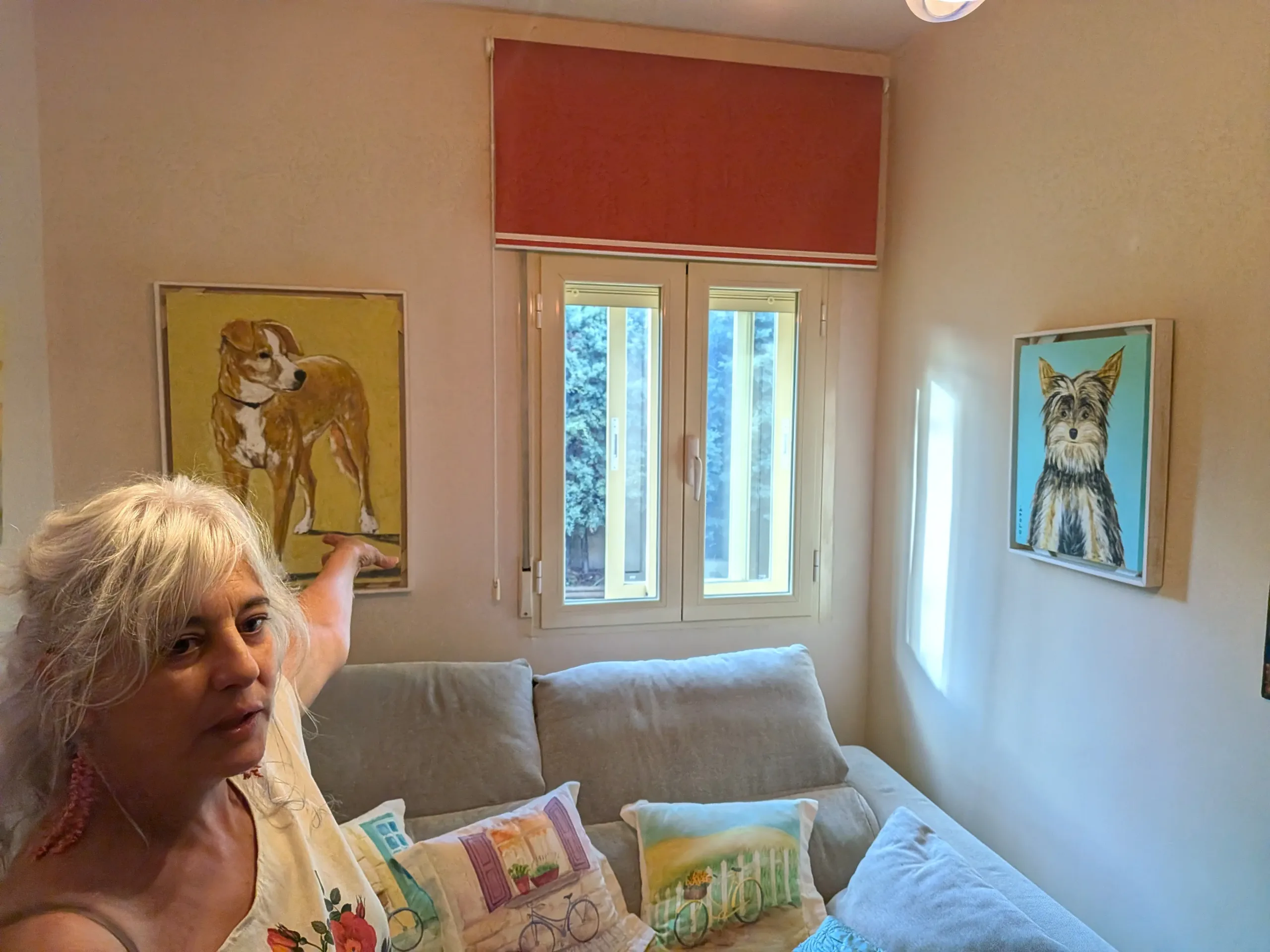
In residential interiors, decoration is closely connected to everyday life. A home should reflect the people who inhabit it, balancing aesthetics with comfort and functionality. Handmade objects, carefully selected materials and personalised decorative solutions can help create spaces that feel distinctive and authentic.
Maite’s artisanal approach is well suited to projects in which clients want to move away from standardised interiors and introduce elements that reflect their own tastes, memories or inspirations. Whether working on a particular room or contributing to a broader decorative concept, the objective is to establish harmony between the different elements of the environment.
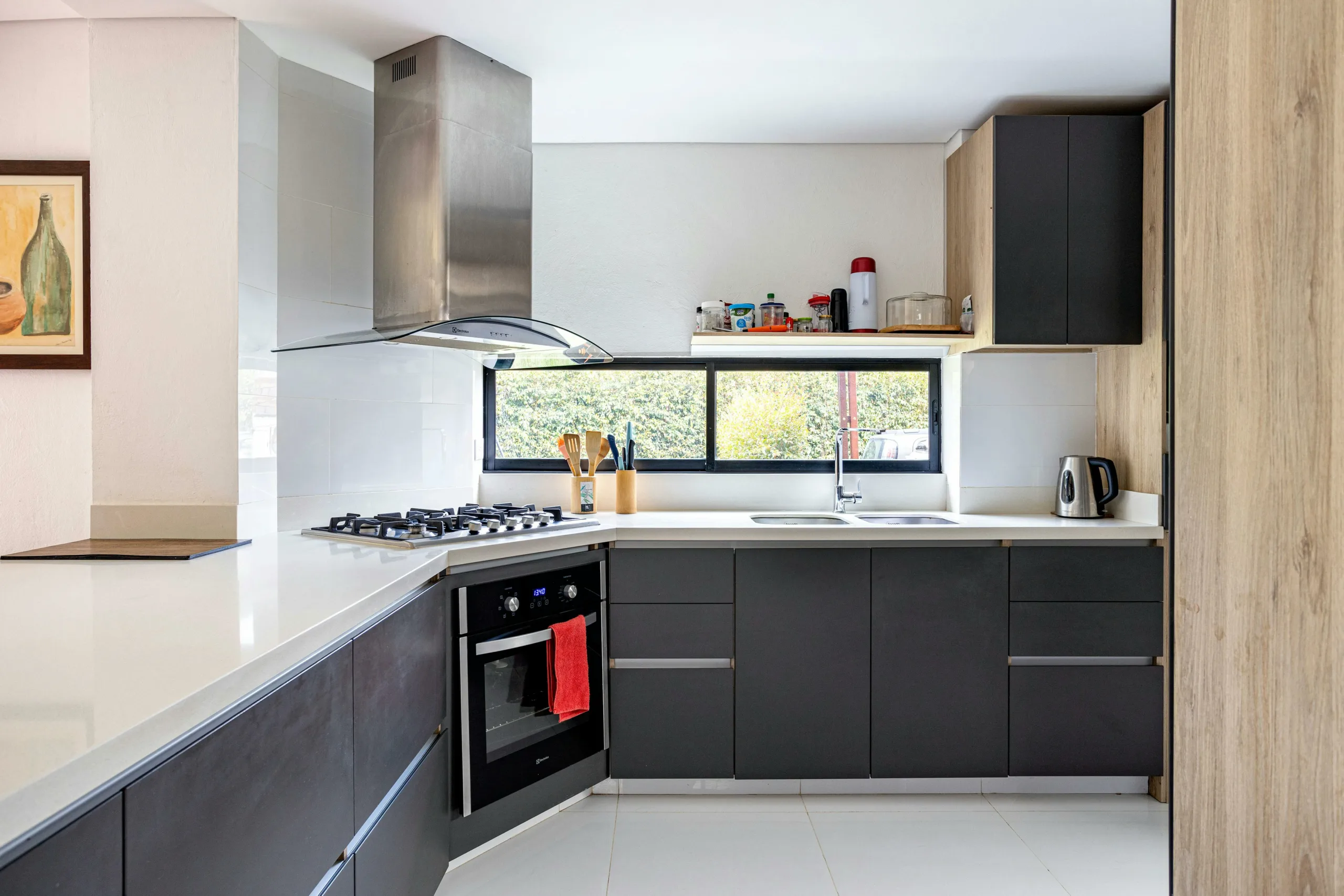
Commercial spaces present a different set of opportunities. Shops, restaurants, studios, reception areas and other businesses all use their physical surroundings to communicate with customers. Decoration influences how a space is perceived, how people move through it and how comfortably they interact with the brand.
A shop can use bespoke decorative features to highlight its products and reinforce its identity. A restaurant can establish a recognisable atmosphere through textures, lighting and carefully chosen objects. A professional studio can create an environment that conveys creativity, trust and attention to detail.
These projects share a common principle with exhibition design: the space should communicate something about the people and business behind it.
Craftsmanship as a Source of Differentiation
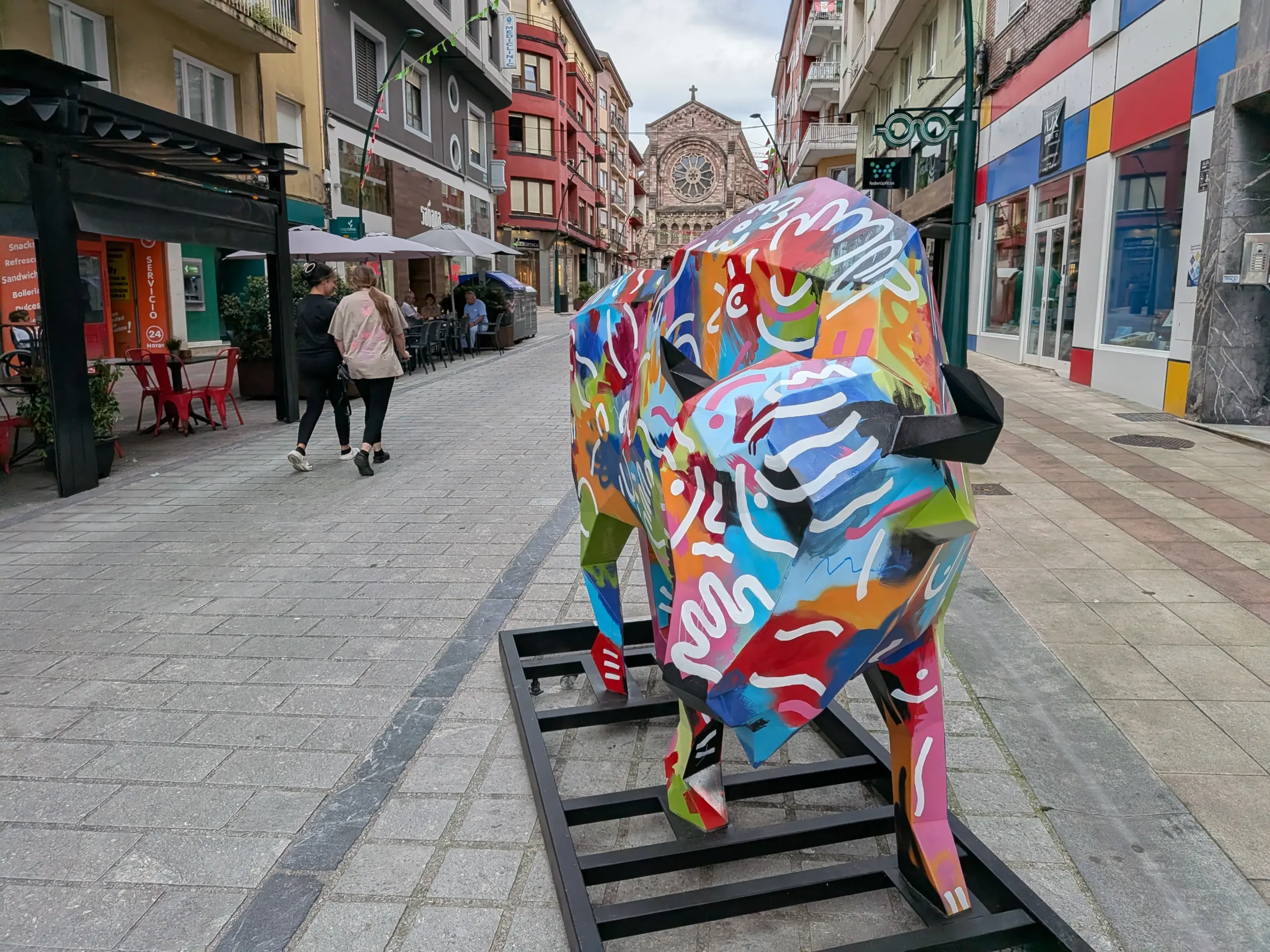
One of the defining characteristics of artisanal decoration is the attention given to individual details. Handmade elements often introduce subtle variations in texture, finish and form that give a project its own character.
For brands participating in FITUR 2027, this individuality can become a valuable differentiating factor. When several exhibitors operate within the same sector, visual originality can help visitors distinguish one destination or company from another.
Craftsmanship also offers opportunities to explore materials and decorative techniques in ways that reflect a particular theme. Depending on the project’s requirements, a design might incorporate natural finishes, textured surfaces, bespoke structures, reclaimed decorative elements or objects inspired by local traditions.
The most effective solution will depend on the client’s identity, the exhibition’s practical constraints and the experience the brand wants to create.
Authenticity is especially important in tourism marketing. Travellers increasingly seek experiences connected to the character of a place, its culture and its people. Decorative environments that reference local landscapes, heritage or creative traditions can help tourism organisations communicate these qualities in a tangible way.
Maite’s role as an artisan is relevant to this ambition because it places creative interpretation and attention to detail at the centre of the process.
Sustainable Thinking and the Value of Reusable Decoration
Sustainability is an important consideration for businesses planning events and promotional activities. Temporary installations can generate significant material consumption, particularly when structures and decorative elements are designed for a single use.
A more thoughtful approach to decoration can explore ways to extend the useful life of materials and objects. Depending on the project, this might involve designing modular decorative features, reusing suitable structures, adapting existing pieces or selecting materials that can be incorporated into future projects.
For exhibitors preparing for FITUR 2027, these possibilities can help connect visual creativity with more responsible planning.
Reusable decorative elements may also offer practical advantages. A carefully designed piece could potentially be adapted for different exhibition spaces, promotional events or commercial environments, helping a brand maintain visual consistency across multiple occasions.
However, sustainability should be considered from the beginning rather than added as a final detail. Material selection, transportation, assembly, storage and future reuse all influence the overall value of a decorative solution.
An artisan-led approach can encourage clients to consider these questions while developing an environment that remains visually distinctive. The aim is to combine aesthetic quality, practical functionality and thoughtful use of resources.
The Importance of Personalised Creative Collaboration
Every decorative project begins with a different set of requirements. Some clients have a clearly defined concept and need help translating it into a physical environment. Others know the atmosphere they want to achieve but need creative guidance to establish the most effective direction.
Maite’s work can support both situations through a collaborative process built around listening, interpretation and attention to the intended outcome.
For a FITUR exhibitor, this begins with understanding the destination or business being represented. What makes it distinctive? Which values should visitors associate with it? Is the objective to promote a destination, introduce a new service, strengthen professional relationships or create a memorable brand presence?
These questions provide the foundation for the decorative concept.
The next stage involves considering the available space, the event’s technical requirements, the desired visual style and the relationship between decorative elements and practical activities. A stand must remain accessible and comfortable for conversations, presentations and visitor movement while maintaining its visual identity.
The final concept should bring these elements together into a coherent environment in which every detail has a purpose.
This personalised approach is equally valuable for homes and commercial premises. Understanding how a space will be used helps ensure that creativity supports real needs rather than existing purely for visual effect.
Creating Memorable Experiences for FITUR 2027
As tourism professionals prepare for FITUR 2027, the opportunity extends beyond presenting products and services. It is also an opportunity to create meaningful encounters with visitors, partners and potential customers.
A well-conceived decorative environment can support that ambition by establishing a welcoming atmosphere and providing a visual context for the brand’s story.
Maite’s expertise in stage decoration, bespoke interiors and artisanal design offers a versatile foundation for these projects. Her work can help businesses explore creative possibilities that connect physical spaces with the identity they want to communicate.
For tourism boards, this could mean developing decorative concepts that evoke the personality of a destination. For hotels and hospitality brands, it could involve creating an environment that reflects their approach to comfort and service. For cultural organisations, it might mean presenting artistic or traditional references through a contemporary visual language.
Each project presents a different challenge, and the strongest results emerge when the decorative concept responds directly to the client’s objectives.
The value of bespoke decoration lies in its ability to make a space feel intentional, distinctive and memorable. Rather than relying solely on standardised displays, businesses can use materials, objects and carefully composed environments to express what makes them unique.
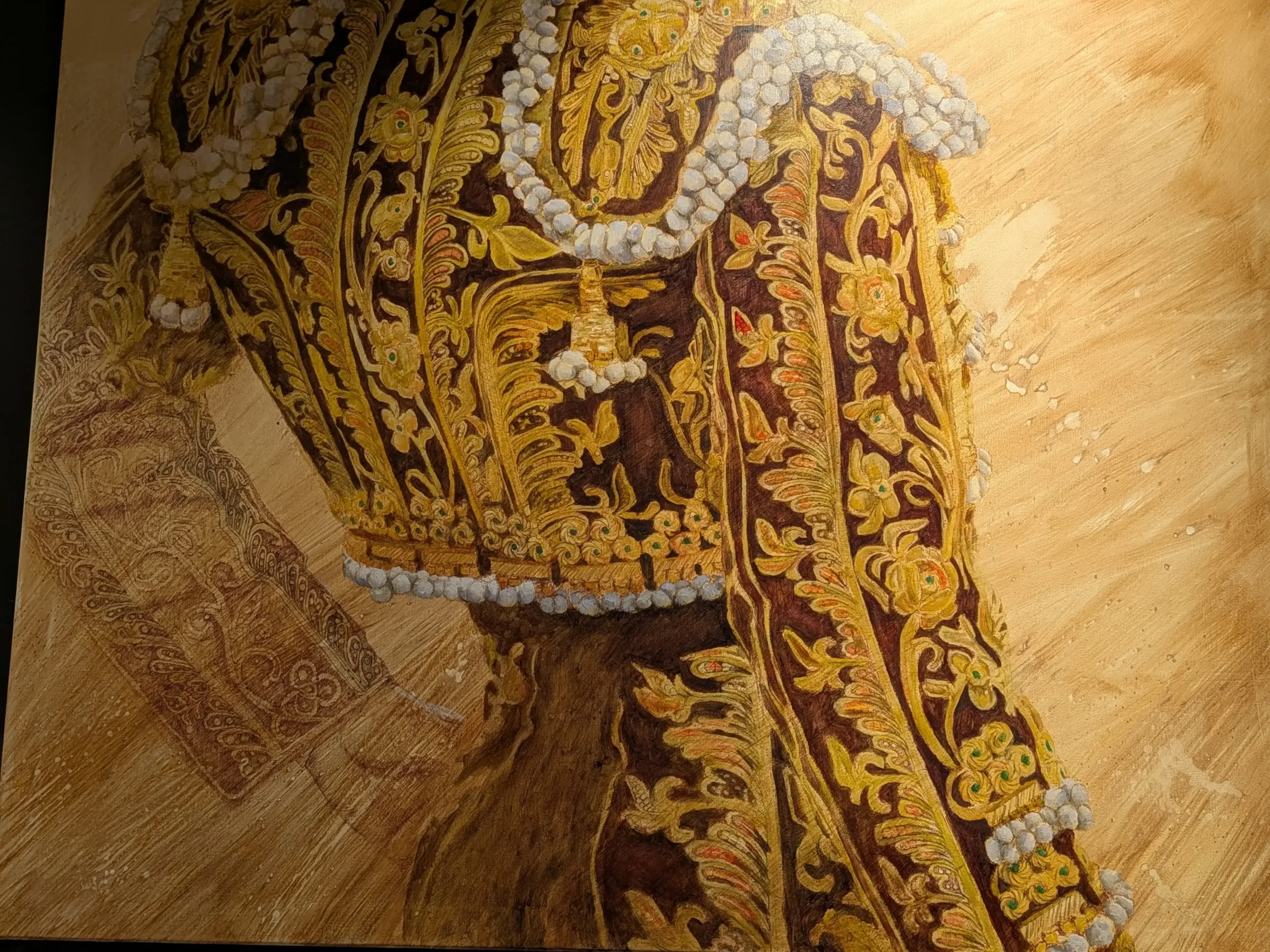
Maite: Creativity That Extends Beyond the Fair
FITUR 2027 provides a compelling setting in which to explore the relationship between tourism, craftsmanship and experiential design. Yet the principles behind Maite’s work are relevant wherever a physical environment needs to communicate an idea or create a particular atmosphere.
From a residential interior to a commercial establishment, from a theatrical setting to an exhibition stand, decoration can shape how people experience a space. The right combination of materials, proportions, textures and handmade details can turn an ordinary environment into something that feels personal and distinctive.
Maite brings together the sensibility of an artisan and the practical perspective of a set decorator, working across different types of spaces with a focus on creative expression and the character of each project.
For businesses considering their presentation at FITUR 2027, her specialisation opens the door to exploring more personalised ways of communicating with visitors. For individuals and businesses seeking distinctive interiors, it offers a similar opportunity to develop spaces that reflect their identity and purpose.
Ultimately, successful decoration is not simply about making a place look attractive. It is about creating an environment that tells a story, supports an experience and gives people something worth remembering.
Through craftsmanship, artistic vision and bespoke decorative solutions, Maite represents a creative approach to transforming spaces into experiences — one that can contribute to the way tourism brands, businesses and individuals present themselves to the world.

